

The holidays are here, and that means one thing: millions of drivers hitting the road with varying levels of patience, sobriety, and GPS skills. While you're focused on getting to grandma's house with the cranberry sauce intact, remember that holiday driving isn't just about your own careful habits: it's about anticipating what everyone else might do wrong.
The Holiday Traffic Reality Check
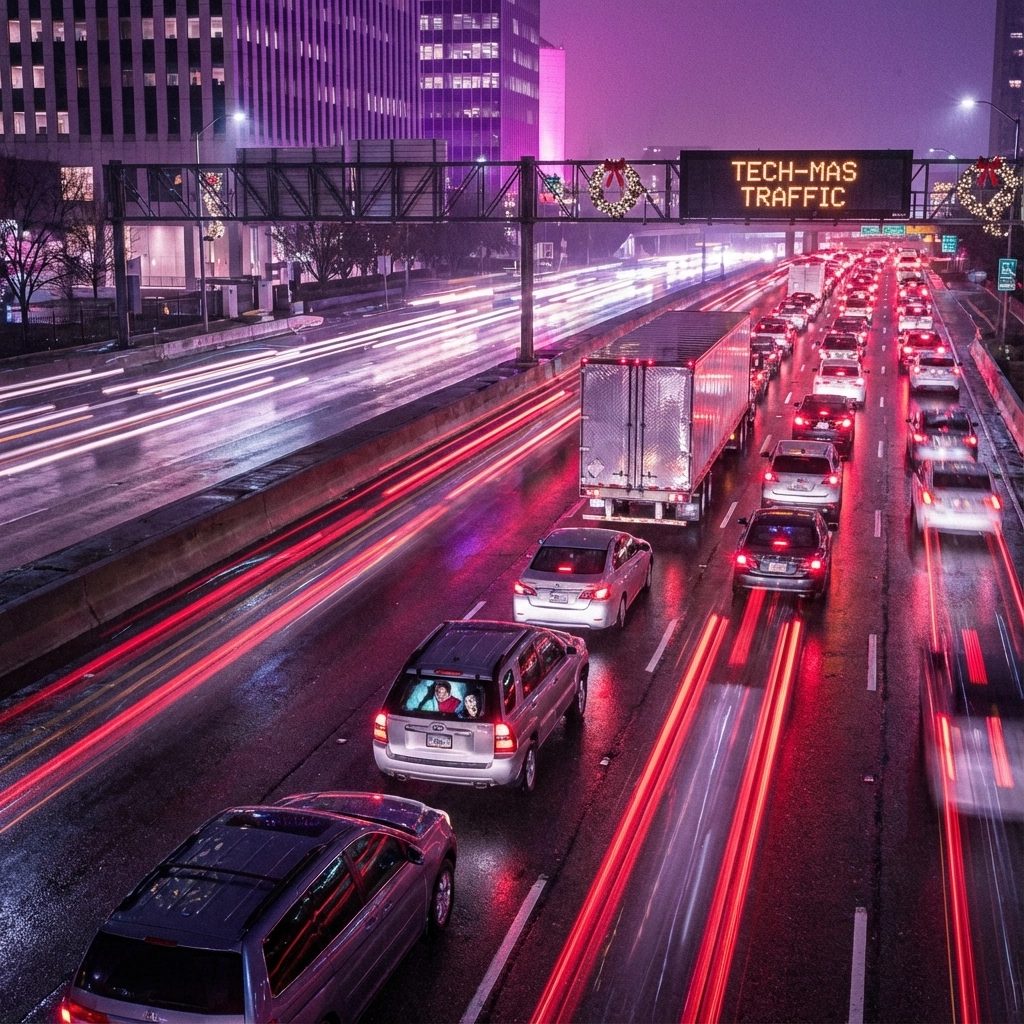
Holiday travel transforms normally predictable roads into chaotic networks of distracted drivers, unfamiliar routes, and increased stress levels. AAA reports that drivers can expect travel times to increase by 20% during peak holiday periods, especially in major metropolitan areas. That's 20% more time sharing the road with people who might be running late, lost, or arguing with their backseat passengers about whether they packed enough presents.
The statistics tell a sobering story. According to the National Highway Traffic Safety Administration, approximately 1,300 fatalities occur annually in crashes on snowy or icy roads alone. During New Year's celebrations, alcohol contributes to up to 40% of traffic deaths. But here's the thing: most holiday accidents aren't caused by dramatic weather events or obvious impairment. They're caused by everyday drivers making split-second decisions under pressure.
Reading the Road Like a Holiday Survival Guide
Watch for the telltale signs of holiday stress driving. Erratic behavior increases dramatically during holiday travel periods. Drivers frequently brake suddenly when they realize they're about to miss their exit, weave between lanes without signaling, or travel at inconsistent speeds because they're juggling navigation apps with family conversations. Keep your eyes peeled for vehicles that seem to be "wandering" within their lanes: often a sign of distraction or fatigue.
Impaired drivers don't always look obviously drunk. Holiday parties and celebrations mean more people on the road who shouldn't be driving. Look for vehicles that brake frequently without apparent cause, maintain inconsistent speeds, or drift between lanes. These behaviors often indicate impairment, whether from alcohol, prescription medications, or simply extreme fatigue from holiday preparations.
Large trucks and buses become even more challenging during holidays. Commercial vehicles carrying holiday goods increase significantly during peak travel seasons. These vehicles have substantial blind spots on all four sides: if you can't see the truck driver in their mirror, assume they can't see you. Give them extra space for lane changes and turns, and never cut in front of a large vehicle, as their stopping distance can be three times longer than a standard car.
The Art of Defensive Holiday Driving
Defensive driving during the holidays means operating under the assumption that everyone else is having their worst driving day of the year. This mindset isn't pessimistic: it's practical. When you anticipate poor decisions from other drivers, you give yourself the reaction time needed to avoid becoming part of their mistakes.
Build in extra following distance. The standard three-second rule becomes a five-or-six-second rule during holiday travel. This extra space provides crucial reaction time when the minivan ahead of you suddenly realizes they need to exit for the outlet mall or when traffic unexpectedly backs up due to volume.
Check your blind spots religiously. Other drivers are changing lanes more frequently during holiday travel, often without adequate signaling or spacing. Make checking your blind spots a deliberate, conscious action rather than a quick glance.
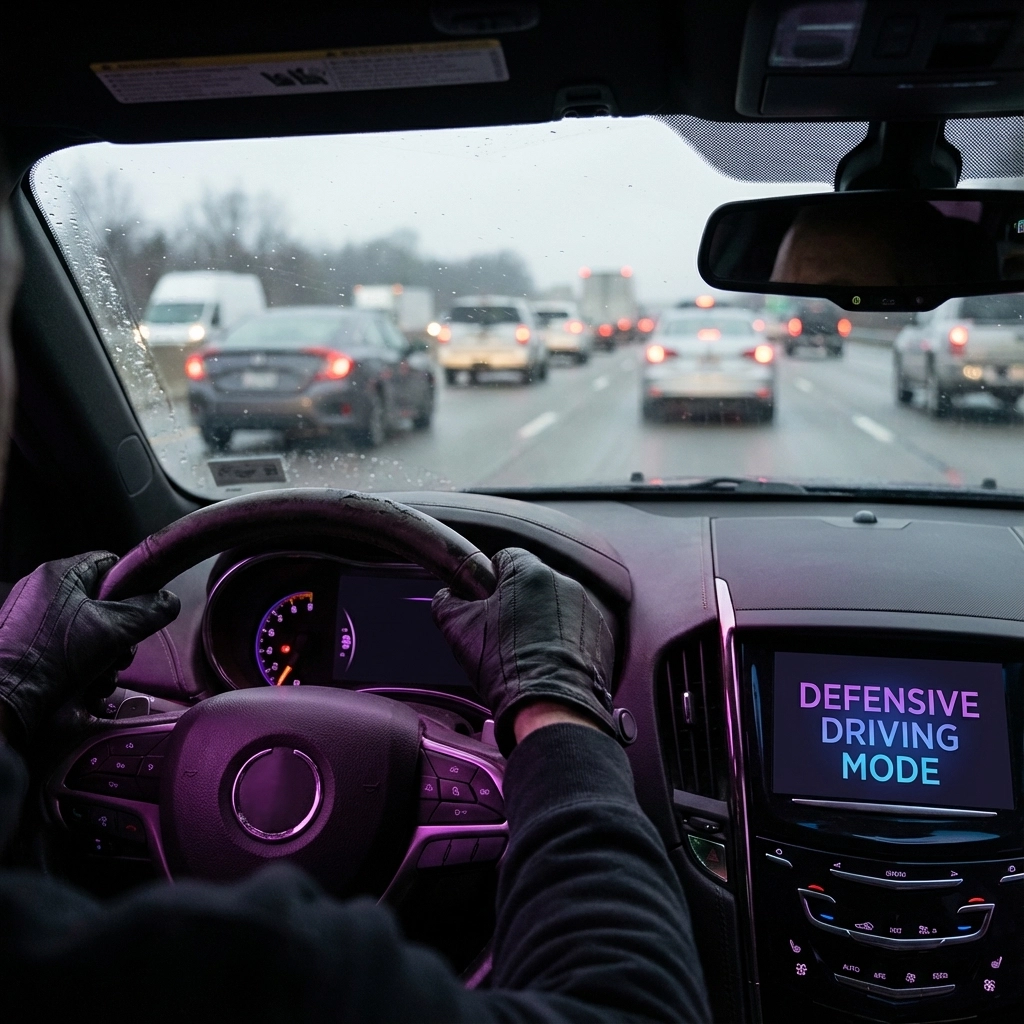
Stay aware of your surroundings beyond just the vehicle ahead. Scan three to four cars ahead to anticipate traffic pattern changes. Watch for brake lights, emergency vehicles, or any situation that might cause sudden traffic shifts.
Technology and Preparation: Your Holiday Travel Allies
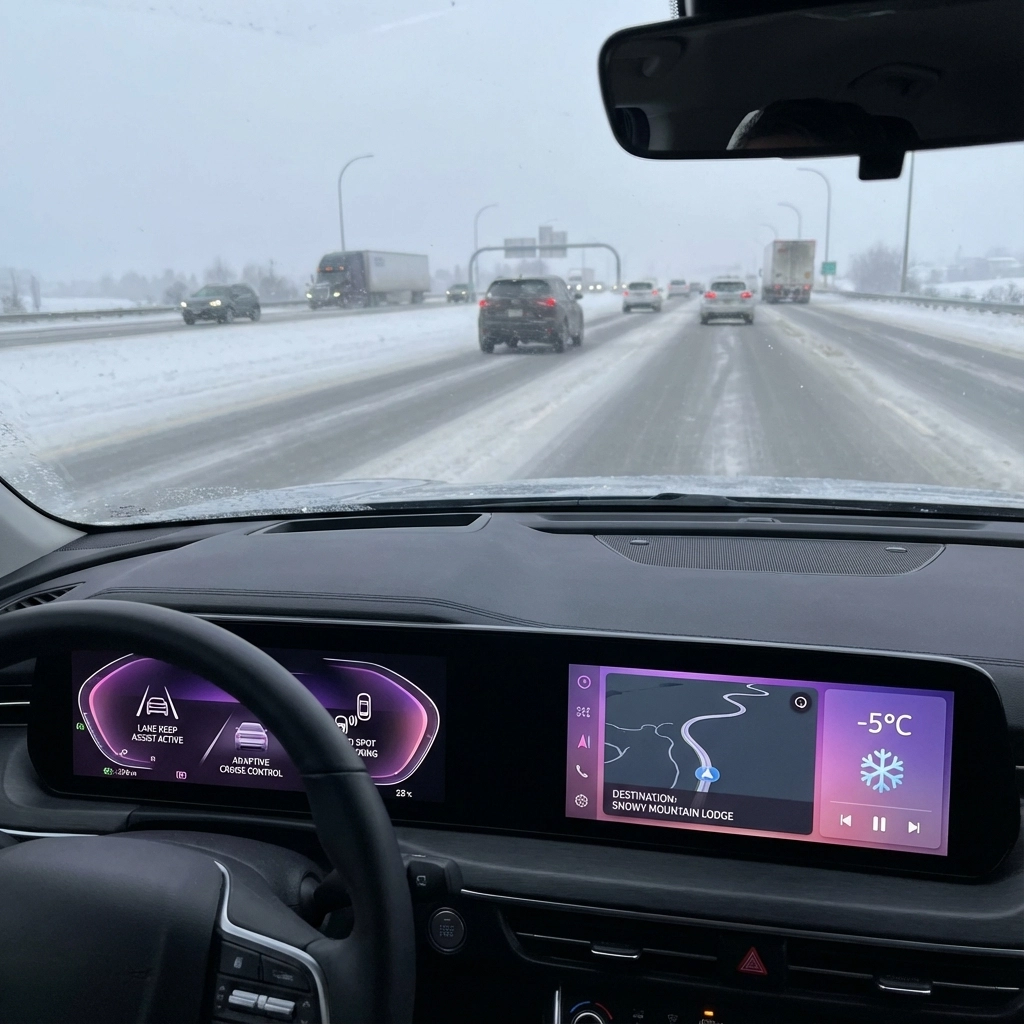
Modern technology offers significant advantages for holiday travel safety, but only when used properly. Navigation apps provide real-time traffic updates and can route you around congestion, but set your destination before you start driving. Adjusting routes while driving becomes another dangerous distraction.
Vehicle preparation prevents roadside emergencies. Before departing, conduct a thorough inspection of tire wear, air pressure, brakes, lights, and fluid levels. Ensure your windshield, mirrors, brake lights, and license plate are clear of ice and snow. A well-maintained vehicle responds predictably when you need to react quickly to other drivers' mistakes.
Weather conditions compound every other risk factor. Winter storms can change road conditions rapidly. Reduce your speed by approximately one-third on wet roads and by half or more on icy or snow-packed surfaces. These adjustments provide better vehicle control and additional reaction time when other drivers make poor decisions on slippery roads.
When roadside emergencies do occur, having reliable assistance can make the difference between a minor inconvenience and a dangerous situation. InsureScan's roadside assistance connects drivers with help quickly, reducing the time spent vulnerable on busy holiday highways.
The Human Factor in Holiday Driving
Never drive impaired, and assume others might be. Designate sober drivers for holiday celebrations, and watch for signs of impairment in other vehicles. Remember that impairment isn't limited to alcohol: prescription medications, over-the-counter drugs, and extreme fatigue can all affect driving ability.
Put the phone away completely. Cell phone use increases significantly around holidays as people coordinate travel plans and share updates with family. Distracted driving remains the primary cause of preventable accidents. Use hands-free systems for essential calls only, and pull over safely for any complex conversations or troubleshooting.
Manage your own stress and fatigue. Holiday travel often involves early departures, late arrivals, and emotional stress from family gatherings. Take breaks every two hours, stay hydrated, and recognize when you need to stop driving. Your fatigue affects not only your own safety but your ability to react to other drivers' mistakes.
When Things Go Wrong: Fast Claims and Recovery
Despite careful preparation and defensive driving, accidents can still occur during holiday travel. When they do, having access to efficient claims processing becomes crucial for getting back to family celebrations and normal routines.
InsureScan's streamlined claims process uses advanced technology to expedite settlements, often resolving straightforward claims within hours rather than days. This speed matters especially during holidays when rental car availability is limited and family schedules are tight.
The company's digital-first approach means drivers can report accidents, submit documentation, and track claim progress from their smartphones. This technology eliminates the need for lengthy phone calls during what's already a stressful situation.
Making Holiday Travel Safer for Everyone
Holiday travel safety isn't just about protecting yourself: it's about contributing to safer roads for all travelers. When you maintain appropriate following distances, signal lane changes well in advance, and drive at reasonable speeds for conditions, you make the entire traffic flow more predictable and safer.
Be patient with other drivers' mistakes. Everyone makes errors, especially when stressed or unfamiliar with routes. Allow extra space for vehicles with out-of-state plates, give confused drivers time to figure out their next move, and resist the urge to honk at every minor traffic transgression.
Help create positive traffic patterns. Merge early when you see lane closures ahead, maintain consistent speeds in heavy traffic, and leave space for other drivers to merge safely. These small actions compound to improve traffic flow for everyone.
The holidays bring out both the best and worst in human behavior, and driving is no exception. By staying alert, driving defensively, and preparing for the unexpected, you contribute to safer roads while protecting yourself and your passengers. Remember: you can't control what other drivers do, but you can control how you respond to their actions.