

Every insurance agent knows that some driving behaviors cost more than others. But two habits stand out as the absolute worst combination on American roads: distracted driving and excessive speeding. These aren't just minor infractions that bump up premiums: they're genuine killers that create massive claims, devastate families, and drive up costs for everyone.
The numbers don't lie. In 2022, speeding caused 12,151 traffic fatalities across the United States. That same year, distracted driving killed 3,275 people and injured hundreds of thousands more. When drivers combine these behaviors: texting while racing down the interstate at 80 mph: they create a perfect storm of catastrophic risk.
The Insurance Reality: Claims That Break the Bank
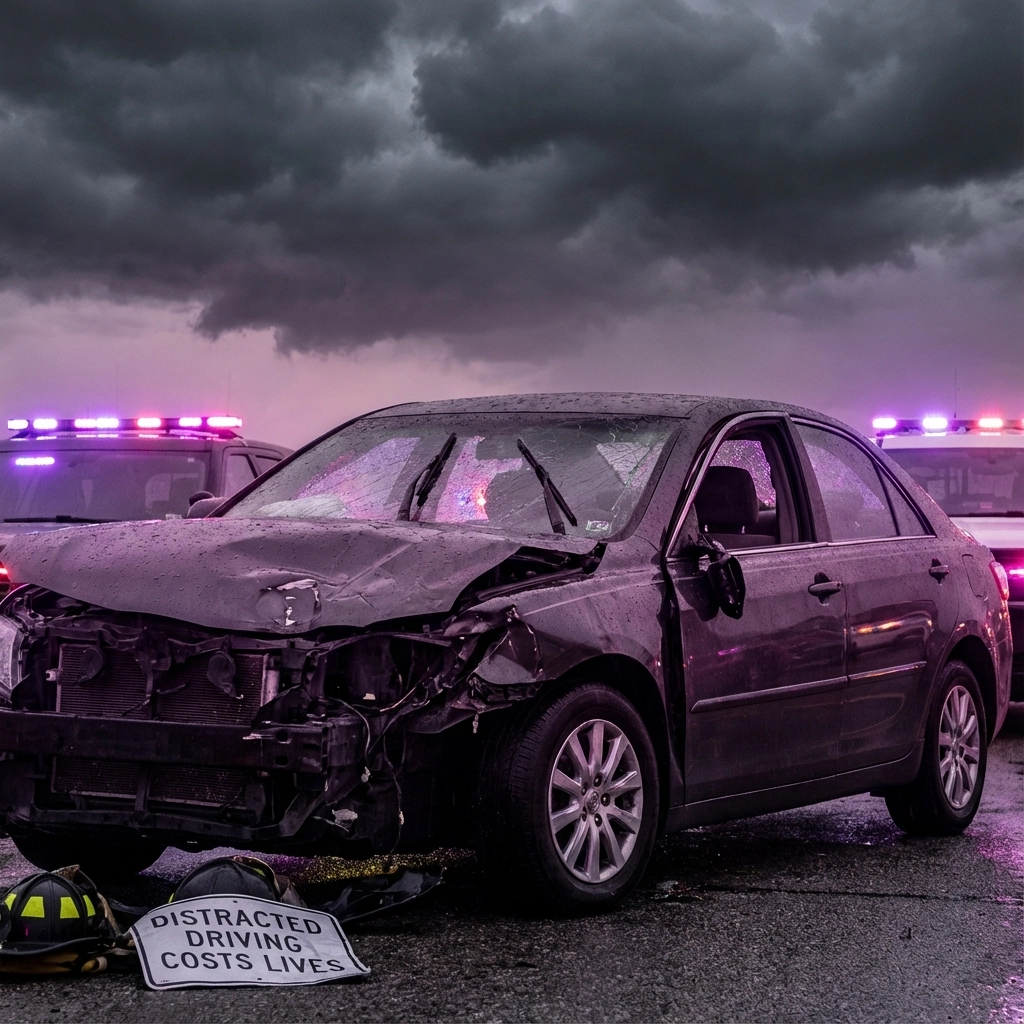
For insurance professionals, these statistics translate directly into claim severity and frequency. The average distracted driving claim costs insurers approximately $16,000, while speed-related accidents often exceed $25,000 due to the increased impact forces involved. When both factors combine, claim costs can skyrocket into six-figure territory, especially when multiple vehicles or serious injuries are involved.
Research from the Community for Mobile Safety reveals that the most distracted drivers are 240% more likely to crash than the safest drivers. Add excessive speed to that equation, and the risk multiplies exponentially. A driver traveling at 55 mph: the average speed during distracted driving incidents: covers an entire football field in just five seconds. That's exactly how long it takes to read or send a text message.
State-by-State Impact: Alabama, South Carolina, and Texas Lead the Charge
The three states where InsureScan MGA operates show distinct patterns in how these deadly behaviors impact local insurance markets:
Alabama sees particularly challenging enforcement issues since texting while driving isn't classified as a primary offense. This creates a complex scenario where insurance companies rely heavily on claims data rather than citation records to assess risk. Alabama agents report that speed-related claims increase by 35% during summer months when tourism peaks along coastal highways.
South Carolina takes a stricter approach, treating texting as a primary offense and implementing aggressive enforcement campaigns. Despite this, the state still sees approximately 15,000 speed-related crashes annually, with distracted driving contributing to roughly 20% of all traffic accidents.
Texas presents the biggest challenge simply due to scale. With more drivers and highway miles than virtually any other state, the Lone Star State generates billions in distracted driving and speeding-related insurance losses every year. Harris County alone sees over 50,000 accidents annually, with the deadly duo playing a role in nearly half of all serious injury claims.
The Compounding Effect: Why One Plus One Equals Disaster

What makes distracted driving and excessive speed so lethal together isn't just their individual risks: it's how they amplify each other. Speed reduces reaction time while distraction eliminates awareness. A driver checking Instagram at 45 mph has virtually no chance of avoiding a sudden obstacle, while that same driver at 25 mph might have enough time to brake or swerve.
Physics makes this combination particularly brutal. Crash forces increase exponentially with speed, meaning a 40-mph distracted driving accident creates four times more destructive energy than a 20-mph collision. Insurance adjusters see this difference immediately: fender-benders become total losses, minor injuries become hospitalizations, and property damage claims turn into wrongful death suits.
Telematics data from major insurers shows that drivers who regularly exceed speed limits are also 60% more likely to handle their phones while driving. This behavioral clustering creates a high-risk profile that smart agents can identify and address through targeted education and policy recommendations.
Technology Solutions: How InsureScan Helps Combat the Problem
InsureScan's digital platform directly addresses both risk factors by eliminating the need for phone-based policy shopping while driving. Traditional insurance shopping often involves lengthy phone calls, document exchanges, and multiple conversations: all activities that tempt drivers to multitask behind the wheel.
The company's scan-and-quote technology lets customers complete entire insurance transactions in under 90 seconds without making phone calls or handling paperwork while driving. This approach reduces distracted driving incidents during the insurance shopping process itself.
Additionally, InsureScan's digital workflow enables agents to quickly access telematics-based policies that reward safe driving behavior. These usage-based insurance products can reduce premiums by up to 30% for drivers who demonstrate consistent safe speeds and minimal phone usage while driving.
Agent Action Plan: Turning Deadly Statistics Into Client Conversations
Smart agents use these sobering statistics as conversation starters rather than fear tactics. Here's how InsureScan agents successfully address the deadly duo with clients:
Education First: Share local accident statistics and explain how speed and distraction multiply crash risks. Most drivers genuinely don't realize that checking a text at highway speeds means traveling blind for the length of a football field.
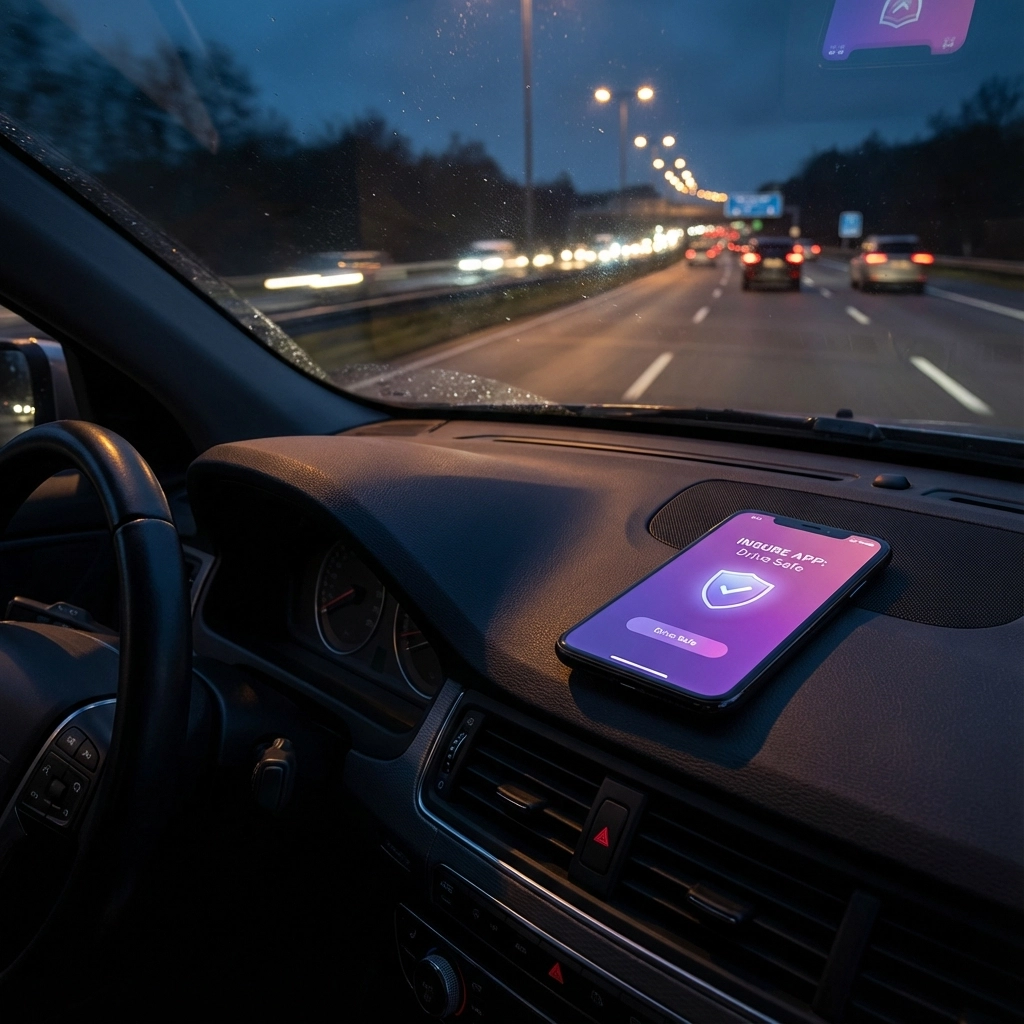
Technology Recommendations: Promote hands-free solutions and smartphone apps that block notifications while driving. Many carriers now offer discounts for customers who use approved safe-driving apps.
Policy Positioning: Recommend higher liability limits for clients who commute on high-speed highways or in heavy traffic areas. The combination of speed and distraction makes severe accidents more likely, and minimum coverage rarely covers the full cost of serious crashes.
Telematics Programs: Actively sell usage-based insurance policies that monitor both speed and phone usage. These programs typically reduce premiums for safe drivers while providing valuable feedback about risky behaviors.
Commercial Opportunities: Business clients with fleet vehicles face enormous liability exposure from employee distracted driving and speeding. Position comprehensive commercial auto coverage with strong driver training components as essential risk management tools.
The Bottom Line: Prevention Pays

The insurance industry spends billions annually cleaning up crashes caused by distracted driving and excessive speed. But forward-thinking agents can help reduce these costs while building stronger client relationships through proactive safety education and smart policy recommendations.
Clients who understand the real risks: and real costs: of combining phone use with high speeds are more likely to invest in comprehensive coverage and participate in safe driving programs. They're also more likely to refer friends and family to agents who demonstrate genuine concern for their safety rather than just their premium payments.
The deadly duo of distracted driving and excessive speed isn't going away anytime soon. Technology will continue evolving, speeds will keep increasing, and drivers will face more distractions than ever. But agents who position themselves as safety advocates: backed by cutting-edge tools like InsureScan's digital platform: can help clients make smarter choices while building more profitable, sustainable books of business.
Remember: every conversation about safe driving is an opportunity to strengthen client relationships, reduce claim frequency, and position your agency as a trusted advisor rather than just another insurance salesperson. In a world where distracted driving and excessive speed threaten everyone on the road, agents who prioritize safety create value that extends far beyond policy premiums.